Beyond Products: Strengthening Menstrual and Reproductive Health Knowledge Among Adolescents
In recent years, increased access to hygienic menstrual products has been widely cited as a positive indicator of progress in adolescent health. However, focusing solely on product use often masks deeper and more complex challenges surrounding menstrual and reproductive health knowledge, dignity, and agency particularly among adolescent girls. True menstrual and reproductive health goes far beyond availability. It requires informed understanding, supportive environments, and systems that empower adolescents to make confident and healthy choices.
The Hidden Gaps Behind “High Usage”
While reported use of sanitary pads and other hygienic products may appear relatively high these days, many adolescents continue to navigate menstruation with limited biological understanding. Menstruation is still surrounded by myths, misconceptions, and silence, leaving girls confused, anxious, and unprepared, especially at menarche. Stigma often discourages open conversations at home, in schools, and within communities. As a result, adolescents may use products without understanding their bodies, menstrual cycles, or the importance of hygiene practices, leading to fear, shame, and misinformation.
Menstrual Stigma and Its Everyday Consequences
Menstrual stigma continues to shape how adolescents experience their bodies and public spaces. Restrictions on movement, participation in daily activities, and interaction with peers remain common during menstruation. In schools, this stigma translates into discomfort, embarrassment, and absenteeism, particularly when facilities lack privacy, water, or safe disposal mechanisms. Poor disposal practices stemming from a lack of guidance and infrastructure not only pose environmental and sanitation challenges but also reinforce the idea that menstruation is something to be hidden rather than understood and managed with dignity.
Limited Access to Reproductive Health Education
Adolescents also face significant gaps in age-appropriate and comprehensive reproductive health education. Conversations around puberty, reproductive processes, consent, contraception, and sexual health are often avoided or inadequately addressed. When information is provided, it is frequently fragmented, overly clinical, or framed through fear rather than empowerment. This lack of accurate knowledge leaves adolescents vulnerable to misinformation, unhealthy practices, and delayed care-seeking behaviour.
Underutilisation of Adolescent-Friendly Health Services
Although adolescent-friendly health services exist in many settings, they remain underutilised. Stigma, lack of awareness, fear of judgment, and concerns around confidentiality discourage adolescents from seeking support. Many young people are unsure where to go, what services are available, or whether they will be treated respectfully. Without trusted, confidential, and youth-friendly platforms, adolescents are left to navigate critical health transitions alone.
The Need for Integrated and Dignified Platforms
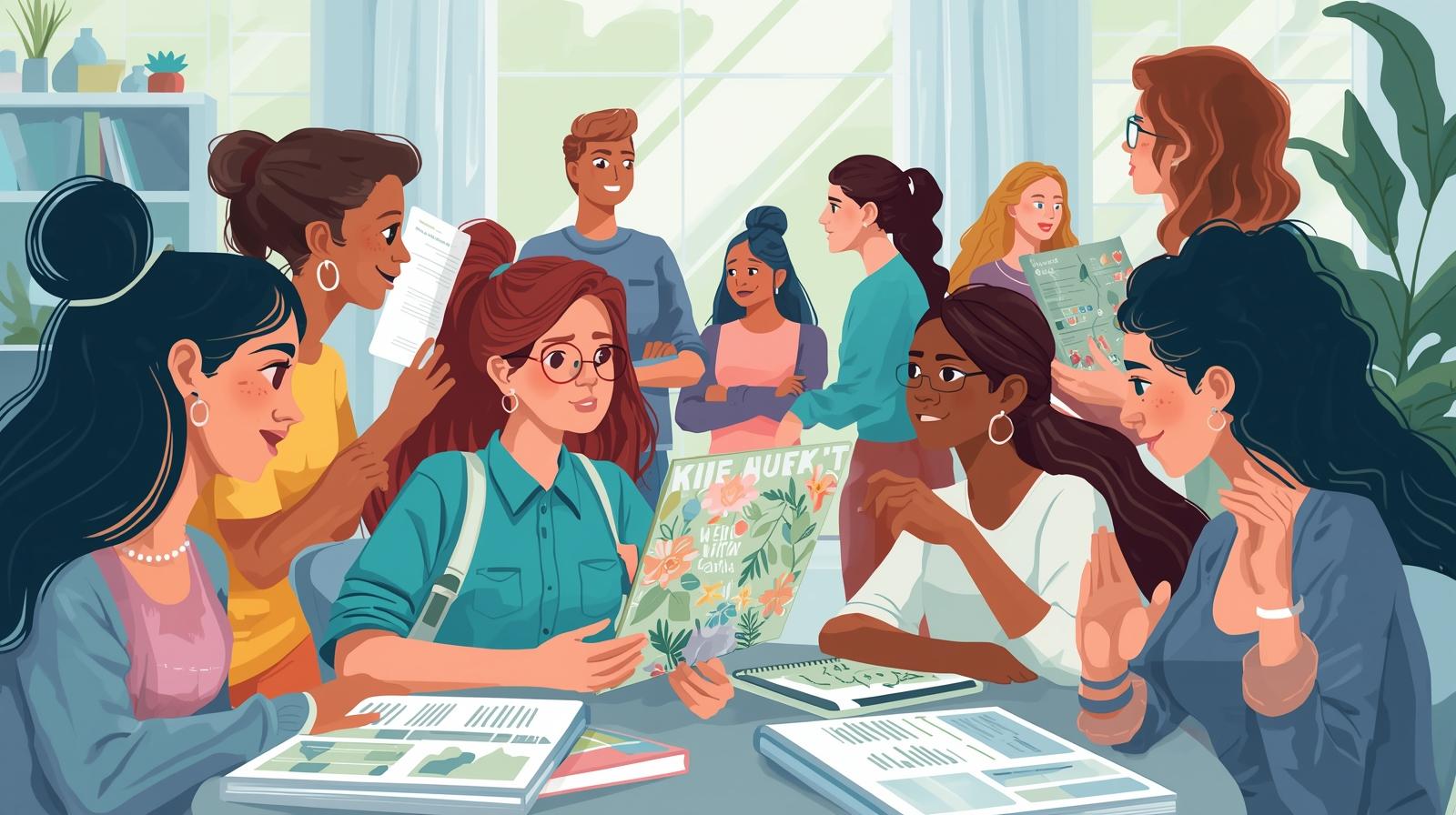
Addressing these challenges requires more than isolated interventions. A structured and integrated platform that brings together menstrual health, reproductive health literacy, and dignity is essential. Such platforms must create safe spaces for dialogue, provide accurate and age-appropriate information, and link adolescents to responsive health services. When adolescents, especially girls are equipped with knowledge, confidence, and supportive systems, menstrual and reproductive health becomes a foundation for well-being rather than a source of fear or exclusion.
Moving Toward Empowerment and Choice
Investing in menstrual and reproductive health knowledge is an investment in adolescent empowerment. It supports continued education, improves health outcomes, strengthens self-esteem, and enables young people to exercise agency over their bodies and lives. By breaking stigma, strengthening literacy, and building adolescent-friendly systems, societies can move closer to ensuring that every adolescent experiences menstruation and reproductive health with knowledge, dignity, and confidence.